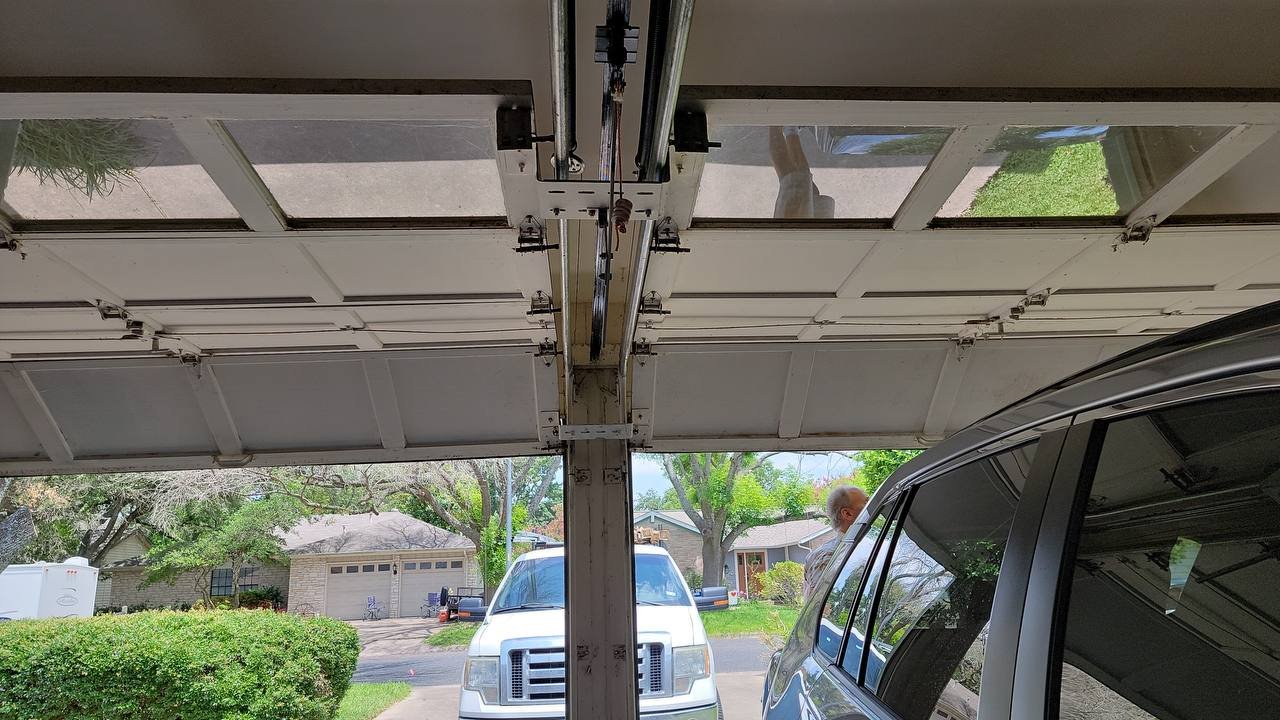
Homeowners in Bernardsville, NJ need clear guidance on when to replace parts during garage door repair. A safe, reliable door protects your car, tools and family entry points. This guide explains the common part failures, simple checks you can do, and when to call a pro for residential service.
Quick signs a garage door part needs replacement
Not every squeak or slow cycle requires full replacement, but certain symptoms almost always point to worn components. Watch for:
- Broken or frayed springs — a loud snap or a door that won’t lift evenly.
- Bent or cracked panels — visible dents that affect sealing and balance.
- Worn rollers or tracks — grinding, rough movement, or visible wear.
- Damaged cables — slack, fraying, or cable slipped off the drum.
- Opener failure — intermittent operation, burning smell, or the unit won’t respond at all.
When one part fails, nearby components often suffer accelerated wear. For example, a broken spring shifts load to cables and the opener, increasing the chance they’ll fail too. That’s why timely replacement is important for long-term performance.
Parts commonly replaced during garage door repair
A residential service visit in Bernardsville typically addresses these components. Knowing expected lifespans helps you plan and budget.
Springs
Torsion springs usually last 7,000–20,000 cycles (roughly 5–10 years depending on use). Extension springs are similar but offer fewer safety benefits. If a spring snaps, don’t attempt a DIY fix — springs store dangerous energy. A professional replacement is the safe choice.
Rollers, hinges and tracks
Rollers with nylon bearings last longer than metal ones and reduce noise. Replace rollers if they wobble, bind, or visibly chip. Bent tracks should be straightened or replaced; misaligned tracks can cause cables to jump or the door to jam.
Cables
Cables can fray over time. If you see individual strands sticking out, schedule replacement immediately. Cables under uneven tension or wrapped incorrectly at the drum compromise safety and smooth operation.
Opener and electronics
Openers often last 10–15 years. Signs you need a new opener include frequent resetting, erratic travel, or inability to operate multiple remotes. Consider upgrading to a unit with built-in safety features and smart controls if your model is older.
How to decide repair vs replace
Decisions should balance safety, cost, and long-term value. Use this checklist to make a local, practical choice:
- Safety first: replace any part that compromises safety (springs, cables, severely bent tracks).
- Cost comparison: if repair costs exceed 50% of a comparable replacement for older doors, replacement may be smarter.
- Component age: older systems often have obsolete parts; replacement can prevent repeated service calls.
- Energy and fit: damaged panels that lead to heat loss or poor sealing may be worth replacing for efficiency and curb appeal.
For a clear plan, have a trained technician inspect the door and give an itemized estimate listing parts, labor, and expected timelines. You can book an inspection through our contact page to schedule a visit.
Local factors that affect part life in Bernardsville
Bernardsville weather, road salt, and seasonal temperature swings affect wear:
- Cold winters: lubricants thicken and springs experience more stress during freezing cycles.
- Road salt and humidity: accelerate corrosion on tracks, cables, and fasteners.
- Frequent use: homes with multiple daily cycles will reach component lifespans sooner.
Regular maintenance—cleaning tracks, lubricating rollers and springs, and checking balance—extends life and helps you spot parts that need replacement before they fail.
Maintenance tips you can do
- Monthly visual inspection: look for frayed cables, loose bolts, and worn weatherstripping.
- Lubricate bearings, rollers, and springs with a manufacturer-recommended product every 6–12 months.
- Test the balance: disconnect the opener and manually lift the door halfway — it should stay in place. If not, springs or cables likely need service.
Timeline and pricing expectations for common replacements
Local homeowners often ask how long repairs take and what they cost. Timelines vary by job, but here are common ranges for planning:
- Spring replacement: 1–2 hours on-site; parts and labor vary by spring type.
- Roller replacement (per door): 30–90 minutes depending on roller type and door design.
- Cable replacement: 1–2 hours; often done with spring work for safety.
- Opener replacement: 1–3 hours; includes programming remotes and safety sensors.
- Panel replacement: a few hours to a day depending on paint and fit; matching older sections may extend the timeline.
Exact prices depend on parts brand and labor. Ask your technician for a written estimate and warranty details on parts and labor to compare options. Learn more about routine care and services on our services page.
When to call a professional for garage door repair
Certain problems require a trained technician and specialized tools. Call a pro if you notice:
- Snapped springs or visibly unsafe cables.
- Door off its tracks or hanging unevenly.
- Opener electrical faults or repeated sensor failures.
- Persistent noises after basic lubrication.
A certified technician will provide a safety-first repair, verify balance, and test reversing sensors and force settings. To arrange an inspection or same-day service in Bernardsville, use our blog for quick tips or reach out directly through our blog and contact pages.
Keeping a maintenance log with dates for lubrication, part replacements, and inspections helps a technician recommend the best long-term plan. Combining a worn-spring replacement with cables and rollers often saves on labor and reduces callbacks.
Final takeaway
For homeowners in Bernardsville, NJ, timely replacement of springs, cables, rollers, and openers prevents safety hazards and saves money over repeated small repairs. Regular maintenance, visual checks, and an expert inspection when you detect issues will keep your garage doors working reliably and protect your home.
Frequently asked questions — Bernardsville, NJ
Q: How does winter weather in Bernardsville affect when parts should be replaced?
A: Cold temperatures thicken lubricants and increase spring stress. If your door struggles to open on cold mornings or the opener strains, springs and lubrication should be checked; replacement may be needed sooner than in milder climates.
Q: How long does a typical garage door spring replacement take?
A: A professional spring replacement typically takes 1–2 hours. If cables, drums or rollers are also worn, technicians often replace them in the same visit to prevent repeated service calls.
Q: Do I need a permit in Bernardsville to replace garage door parts or panels?
A: Most part replacements (springs, rollers, cables) do not require a building permit. Full door replacements that alter structure or openings may. Check with Bernardsville building officials or ask your service tech to confirm local rules.
Q: What warranty or guarantees should I expect for parts and labor?
A: Reliable contractors offer manufacturer warranties on parts and a labor warranty (often 6–12 months). Ask for written warranty details before work begins and keep invoices for future claims.
Q: How much should I budget for common part replacements in NJ?
A: Costs vary by part quality and door size. Expect a spring replacement to be a moderate service line item, rollers and cables lower, and an opener or full panel replacement to be a larger investment. Request an itemized estimate for accurate local pricing.
Helpful local resources in Bernardsville, NJ
- Garage Door Repair Hoboken
- Garage Door Repair Montclair
- Garage Door Repair Westfield
- Garage Door Repair Summit
- Garage Door Repair Maplewood
- Garage Door Repair Livingston
- Garage Door Repair Short Hills
- Garage Door Repair Princeton
- Garage Door Repair Red Bank
- Garage Door Repair Morristown
- Garage Door Repair Chatham
- Garage Door Repair Mendham
- Garage Door Repair Bernardsville
- Garage Door Repair Bedminster
- Garage Door Repair Clinton
- Garage Door Repair Tenafly
- Garage Door Repair Ridgewood
- Garage Door Repair Upper Saddle River
- Garage Door Repair Wyckoff
- Garage Door Repair Basking Ridge
- Garage Door Repair South Orange
- Garage Door Repair Teaneck
- Garage Door Repair Fort Lee
- Garage Door Repair East Brunswick
- Garage Door Repair Montvale
- Garage Door Repair Haddonfield
- Garage Door Repair Marlboro
- Garage Door Repair Cranford
- Garage Door Repair Voorhees
- Garage Door Repair North Caldwell