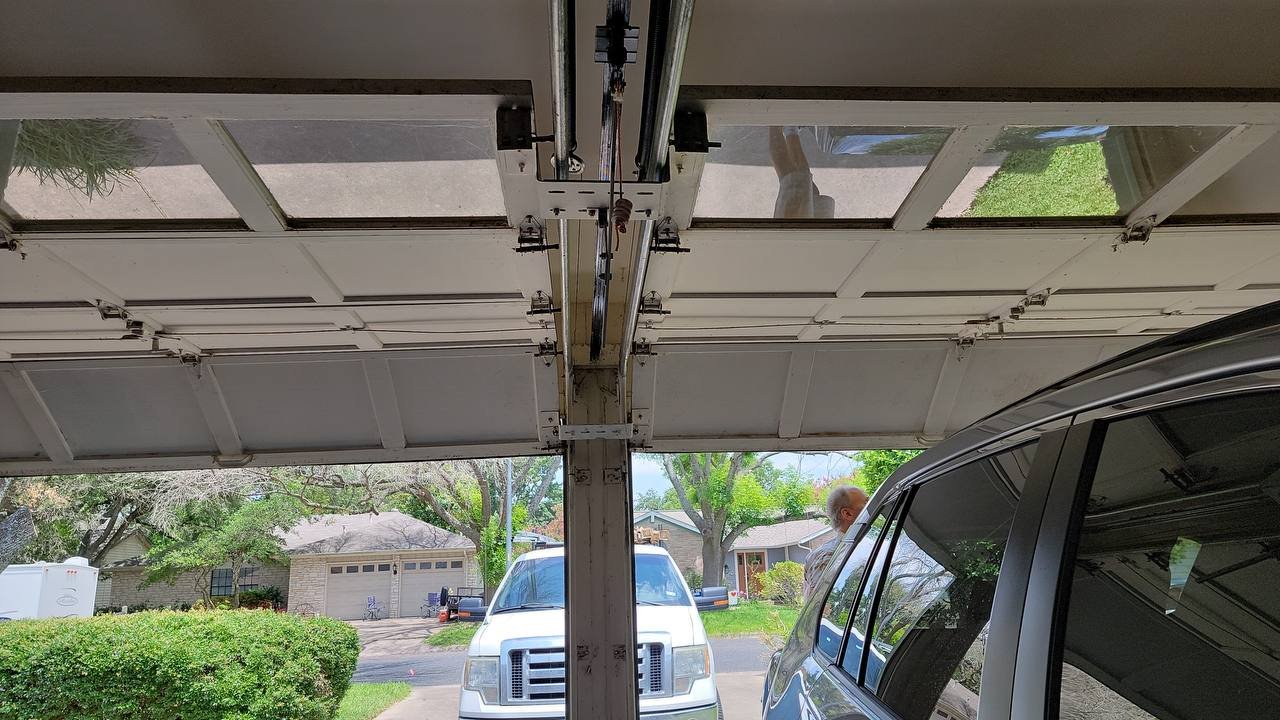
Living in Bernardsville, NJ, homeowners need garage upgrades that reduce drafts and lower heating and cooling costs. Choosing the right garage door installation affects insulation, air sealing, and comfort year-round. A proper garage door installation makes a measurable difference in heat transfer and moisture control.
Why energy efficiency matters for garage door installation
In Bernardsville’s cold winters and humid summers, a thoughtfully chosen garage door installation reduces heat loss, limits condensation, and protects belongings stored in the garage. If your garage shares walls with conditioned space, inadequate doors can increase your home’s HVAC load.
Key areas to evaluate
- Insulation (R-value): Choose panels with higher R-values during garage door installation to reduce conductive heat loss.
- Seals and weatherstripping: Properly installed perimeter seals and a sturdy bottom sweep are installed during the garage door installation and stop air infiltration.
- Fit and balance: A correctly balanced door compresses seals evenly; that balance should be verified at the time of garage door installation.
- Materials and thermal breaks: Steel or composite doors with thermal breaks resist heat flow and perform better near salted roads and fluctuating temperatures.
Energy upgrades to request with any garage door installation
When planning a replacement or retrofit, ask your contractor for specific energy features. During garage door installation, these upgrades have the best cost-to-benefit ratio because installers already have access to the opening and track.
- High-R doors (R-12+) — A high R-value door installed during garage door installation reduces seasonal heat transfer.
- Closed-cell polyurethane cores — Better long-term performance and moisture resistance than hollow or lower-density cores.
- Continuous weatherstripping — Replace or upgrade jamb and header seals at the time of installation to prevent drafts.
- Thresholds and bottom sweeps — A new threshold seal installed with the door blocks water, snow, and cold air.
- Insulated windows or reduced glazing — If you have windows, choose double-pane or acrylic glazing that reduces conduction and eliminates cold spots.
Installation best practices and local considerations
Hire a technician who measures the opening precisely, balances springs, and tests the opener. When planning garage door installation in Bernardsville, factor in heavy snow, freeze–thaw cycles, and road salt that can affect tracks and lower seals.
Permits, timelines, and warranties
Most standard residential garage door installation projects are completed in a single day. Complex replacements—new insulated doors, changed openings, or added openers—may extend to two days. Check with local building officials and your HOA if changing the face of the house; cosmetic swaps rarely need permits but structural changes can. Ask for clear warranties: labor, springs, and panel manufacturer coverage should be documented with any garage door installation.
Costs, rebates, and energy payback
Expect a mid-range insulated garage door installation to run between $1,200 and $3,500 in this region depending on size, materials, and hardware. Premium doors and additional weatherproofing push costs higher but reduce conditioned-space heat loss. For many Bernardsville homeowners the energy payback is measured over several years; consider local utility incentives and occasional state or federal rebates when evaluating return on investment.
Choosing openers and controls
Select a modern opener with soft-start, variable-speed, and energy-efficient motors. Pairing a quiet, efficient opener with a sealed, insulated door installed by a trained technician maximizes savings and longevity.
How to plan your project
Start with an on-site assessment so the installer can measure, inspect jambs, and test existing tracks. Compare proposals that list R-values, seal types, and labor warranties. For deeper technical reading and local case studies, see our blog.
If you’re ready for a quote, schedule an on-site measurement through our contact page or review typical options on our services page before the visit. A clear scope with materials, labor, and warranty makes the installation day straightforward and ensures energy-efficient results.
Quick checklist for a Bernardsville installation
- Confirm door R-value and core type (polyurethane preferred).
- Insist on new perimeter and bottom seals during installation.
- Ask for spring and balance tests and a demonstration of the new opener.
- Document warranties and get a written estimate that lists energy features.
- Consider insulating the garage ceiling and any shared walls after the door installation for best overall results.
Energy-smart choices made at the time of garage door installation pay dividends in comfort and lower bills. A professional installation avoids rework that can compromise seals and insulation. For Bernardsville homeowners who want a local appraisal and a clear plan, contact the team and schedule an on-site review.
Frequently asked questions — Bernardsville, NJ
How does winter weather in Bernardsville affect garage door installation timelines?
Cold snaps can make seals stiffer and adhesives less forgiving. Installers in Bernardsville typically allow extra cure time for new threshold seals and may schedule spring adjustments after the first heavy freeze—plan for a 1–2 day job plus a short follow-up if needed.
What price range should I expect for an insulated residential garage door installation?
Most insulated doors plus professional installation in this area run roughly $1,200–$3,500 depending on size, R-value, and hardware. Custom finishes, windows, or heavy-duty springs increase cost. Get at least two written estimates.
Do I need a permit in Bernardsville to replace a garage door?
Cosmetic like-for-like replacements rarely need permits. Structural changes to openings or changes to the garage that affect egress may require permits—check with Bernardsville building officials or request permit guidance from your installer.
What warranty should come with a new garage door installation?
Expect a manufacturer warranty on panels and springs and a separate labor warranty from the installer. Confirm durations for seals, springs, and opener components in writing before the job.
Can energy-efficient upgrades reduce my heating bill if the garage is unheated?
Yes—especially if the garage shares walls with living space. Insulating the door, sealing gaps, and insulating shared walls cut heat transfer and can reduce furnace runtime in attached homes.
Helpful local resources in Bernardsville, NJ
- Garage Door Repair Hoboken
- Garage Door Repair Montclair
- Garage Door Repair Westfield
- Garage Door Repair Summit
- Garage Door Repair Maplewood
- Garage Door Repair Livingston
- Garage Door Repair Short Hills
- Garage Door Repair Princeton
- Garage Door Repair Red Bank
- Garage Door Repair Morristown
- Garage Door Repair Chatham
- Garage Door Repair Mendham
- Garage Door Repair Bernardsville
- Garage Door Repair Bedminster
- Garage Door Repair Clinton
- Garage Door Repair Tenafly
- Garage Door Repair Ridgewood
- Garage Door Repair Upper Saddle River
- Garage Door Repair Wyckoff
- Garage Door Repair Basking Ridge
- Garage Door Repair South Orange
- Garage Door Repair Teaneck
- Garage Door Repair Fort Lee
- Garage Door Repair East Brunswick
- Garage Door Repair Montvale
- Garage Door Repair Haddonfield
- Garage Door Repair Marlboro
- Garage Door Repair Cranford
- Garage Door Repair Voorhees
- Garage Door Repair North Caldwell